The Poet X: Verses vs. Verses
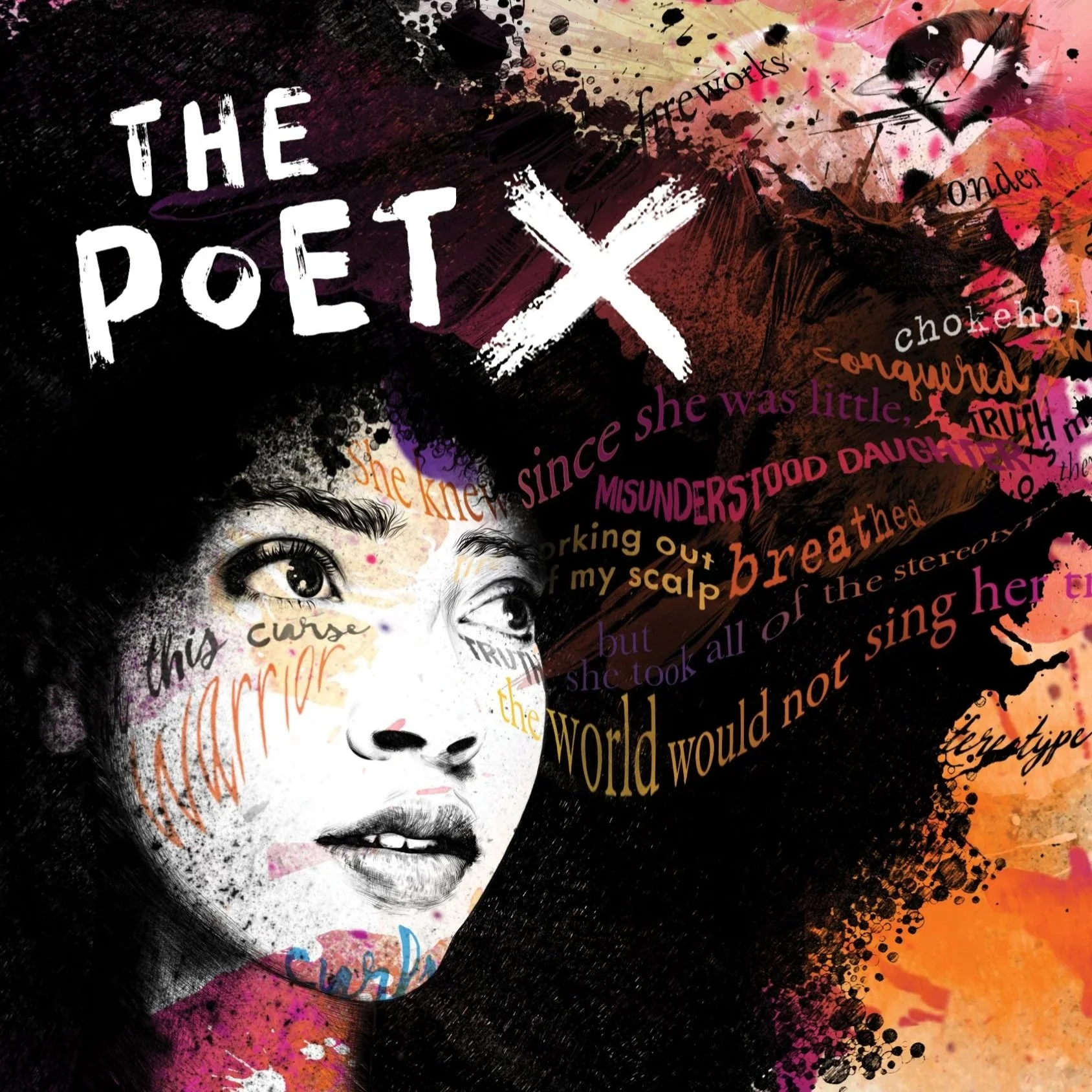
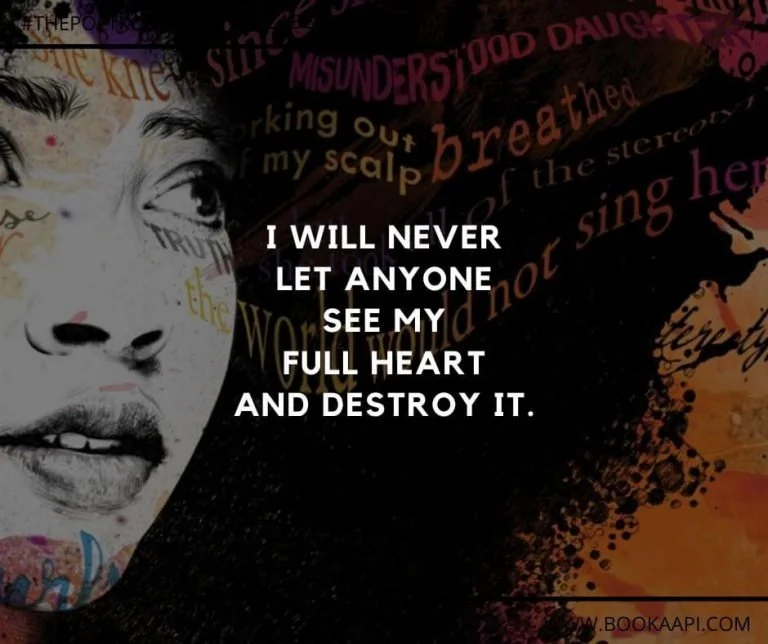
The Poet X is a moving coming-of-age novel about cultural shackles and familial expectations, but also how to break free using the power of poetry and self expression. Xiomara deals with a constant pull between who she wants to be and who her parents expect her to be. She wants to honor them and her culture while also exploring her own passion for spoken word poetry.
She is consistently harassed and sexualized by men throughout her life, which contributes to her ongoing resistance to God. On page 59, she says, “I am told to have faith in the Father, the Son, in men. But men are the first to make me feel so small.” This quote reveals the contradiction Xiomara experiences. She is expected to trust male authority figures, yet the men in her life often make her feel powerless. This plays into larger themes of being expected to never question authority, rather to blindly follow what we are told. Young people need to question and break apart the world around them as a means to discover their own truth, yet certain strict cultural ideals or religious demands impede upon this innate coming of age journey.
Traditional Christianity and Catholicism often adopt an all-or-nothing approach. You are either sinful or pure; you are either with us or against us. It can be very punitive, almost as if the religion itself, or more specifically the people embodying it, are looking for something to call you out on. This is how Xiomara's mother operates. When she gives Xiomara a bracelet that says mi hija, Xiomara says, “This will be your favorite gift. This will become a despised shackle.”This quote represents the push and pull of staying true to your culture while also exploring ideas and identities outside of what you have been taught. While Xiomara loves her mother, she views the bracelet as a form of ownership over her. Her mother is constantly projecting her own religious devotion onto Xiomara, forcing her to be the perfect, pure girl she wanted to embody but was unable to. Therefore, her mother, authority, and religion all show up in Xiomara's life as a type of shackle. It is not until she finds poetry, specifically spoken word poetry, that she begins to break free.
When she hears her first spoken word poem, she says, “I don't breathe for the entire three minutes.” This powerful connection to the verses of poetry juxtaposes the connection she is supposed to have with Bible verses. Instead of connecting with the verses she is told she should value, she connects with poetry verses, which become her own scripture. On a larger scale, poetry functions as her own created religion, offering guidance, comfort, and self-expression in a way traditional religion never has.
When X’s mom finds her poetry journal, and burns it because it is sinful, there is a symbolic moment where Xiomara begins screaming her poetry aloud and her mother begins screaming bible verses back at her- a verbal embodiment of verses vs. verses.
Overall, by the end of the novel, Xiomara's family begins to accept her passion by attending her poetry slam showcase. This demonstrates both the resilience of family and the complicated way support can be intertwined with cultural shackles. While those expectations may never fully disappear, Xiomara learns that she does not have to choose between her identity and her heritage. Through poetry, she finds a way to honor both.
