The History of Sound: A Polyphonic Love Story

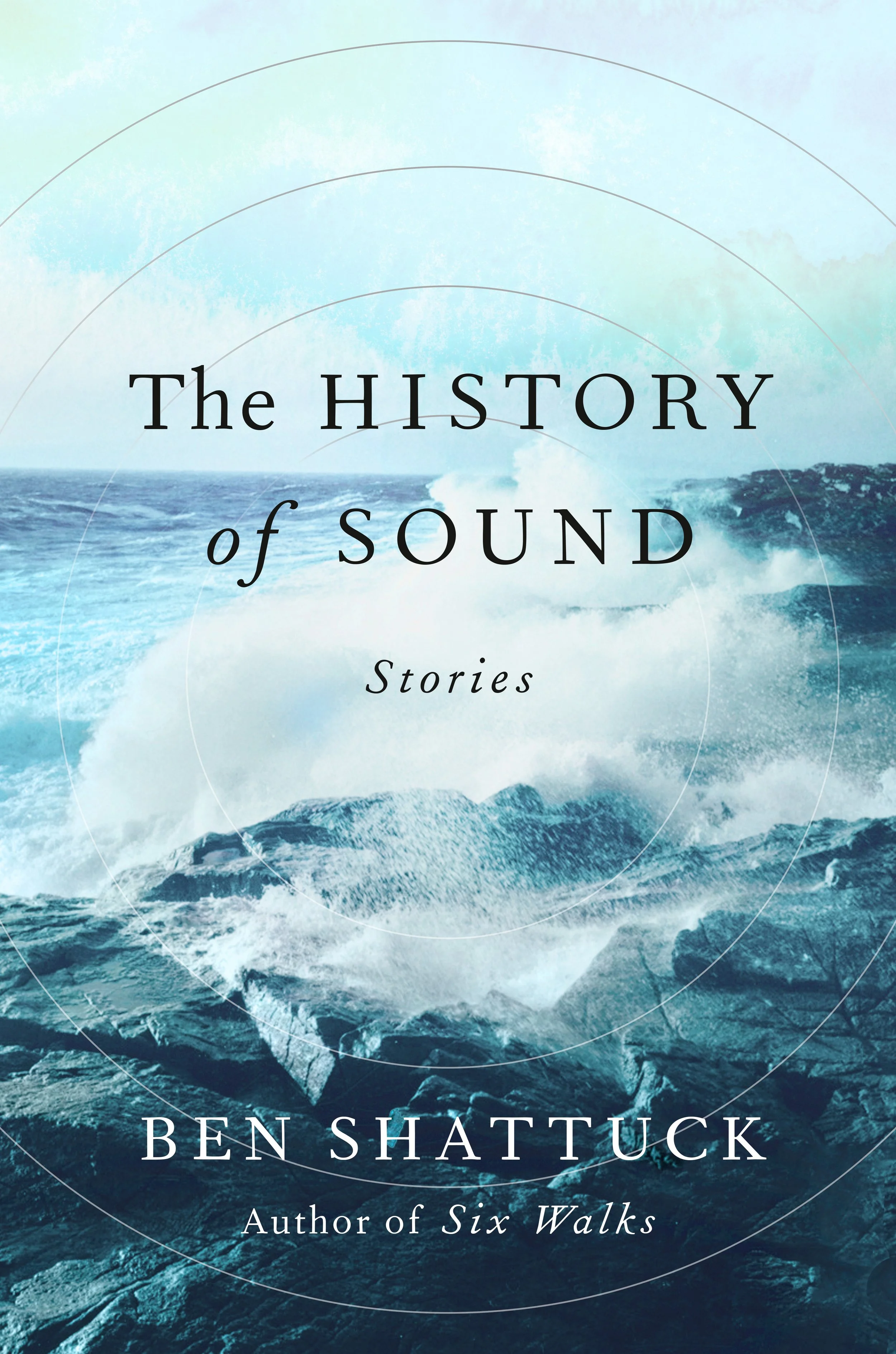

I came to The History of Sound because of the movie, but what struck me most was realizing that the film is only a fraction of what Ben Shattuck accomplishes in the book. "The History of Sound" itself is only twenty-six pages of this two-hundred-page collection, yet it provides the emotional foundation for everything that follows.
Love, loss, longing, and grief repeat throughout the collection like a familiar melody. The stories read like couplets in a poem: distinct on their own, but richer and more satisfying because of what comes before or after them. Through repetition, variation, and contrast, they reveal new meanings and gradually build toward something much larger than any individual narrative.
At its heart, The History of Sound is a love letter to New England. Shattuck writes with a rustic simplicity that allows the landscape to do as much emotional work as the characters. The woods, coastlines, orchards, and fields don't just provide a setting; they amplify his characters' desires, aspirations, grief, and quiet despair.
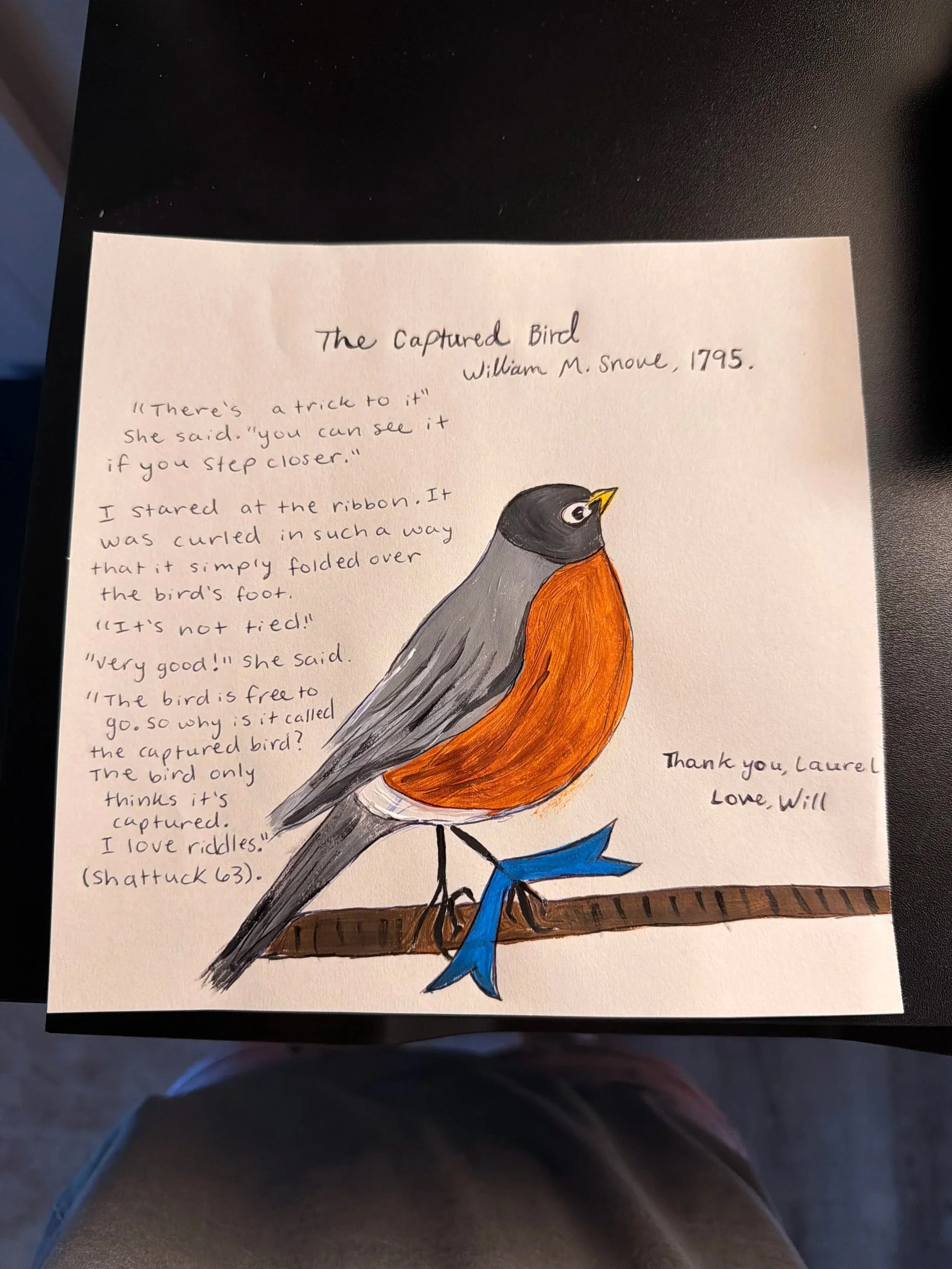
Shattuck creates connections through recurring images and mirrored lives. A painting, an apple tree, a journal, and a wax cylinder reappear across stories, linking people who never meet. A “captured” bird foreshadows a man and woman’s isolation centuries later. A mother leaving her child reverberates through a later story of a child leaving his parents. One character has to let go of love which leads to success in his career, while another relinquishes her career for love. These echoes, inversions, and paradoxes suggest that while the details of our lives change, the emotional truths remain remarkably constant.
At the center of it all is Lionel and David's story: the ache of first love, of holding on, and eventually letting go. Left unfinished, their relationship becomes the emotional key that unlocks the rest of the collection. It's as if Shattuck offers multiple endings/versions of the love story, exploring how love can persist and transform. It reminds me of the idea that energy can neither be created nor destroyed. Ben Shattuck made me think that love behaves the same way. It transforms rather than disappears, and connects like music notes, feathering outward through time until it finds expression in another life, another story, another generation.
In the end, The History of Sound suggests that we are never isolated in our joys or our griefs. This is personified when Annie and Belle meet in the last story. All the other stories exist next to each other, whereas the final story brings generations face to face. We are who we are because of those who came before us, and because our stories will continue to echo in those who come after.
